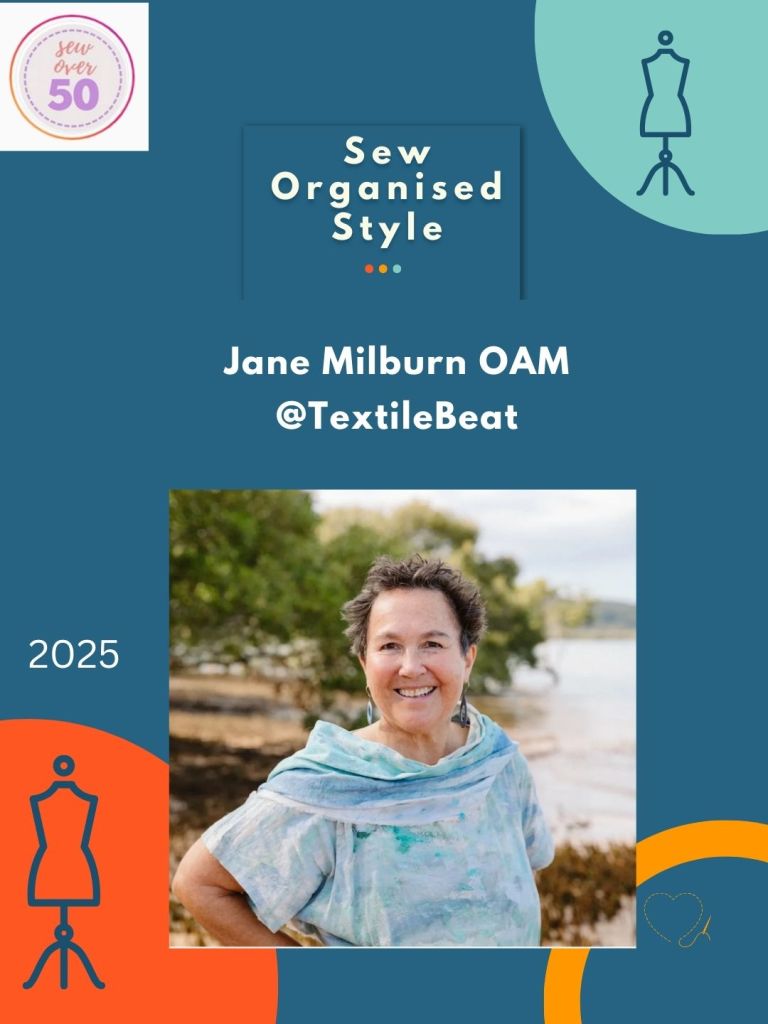
Tuesday 9 December 2025: Jane Milburn OAM @TextileBeat lives on North Stradbroke Island in Queensland and it’s an honour to have her on the podcast!
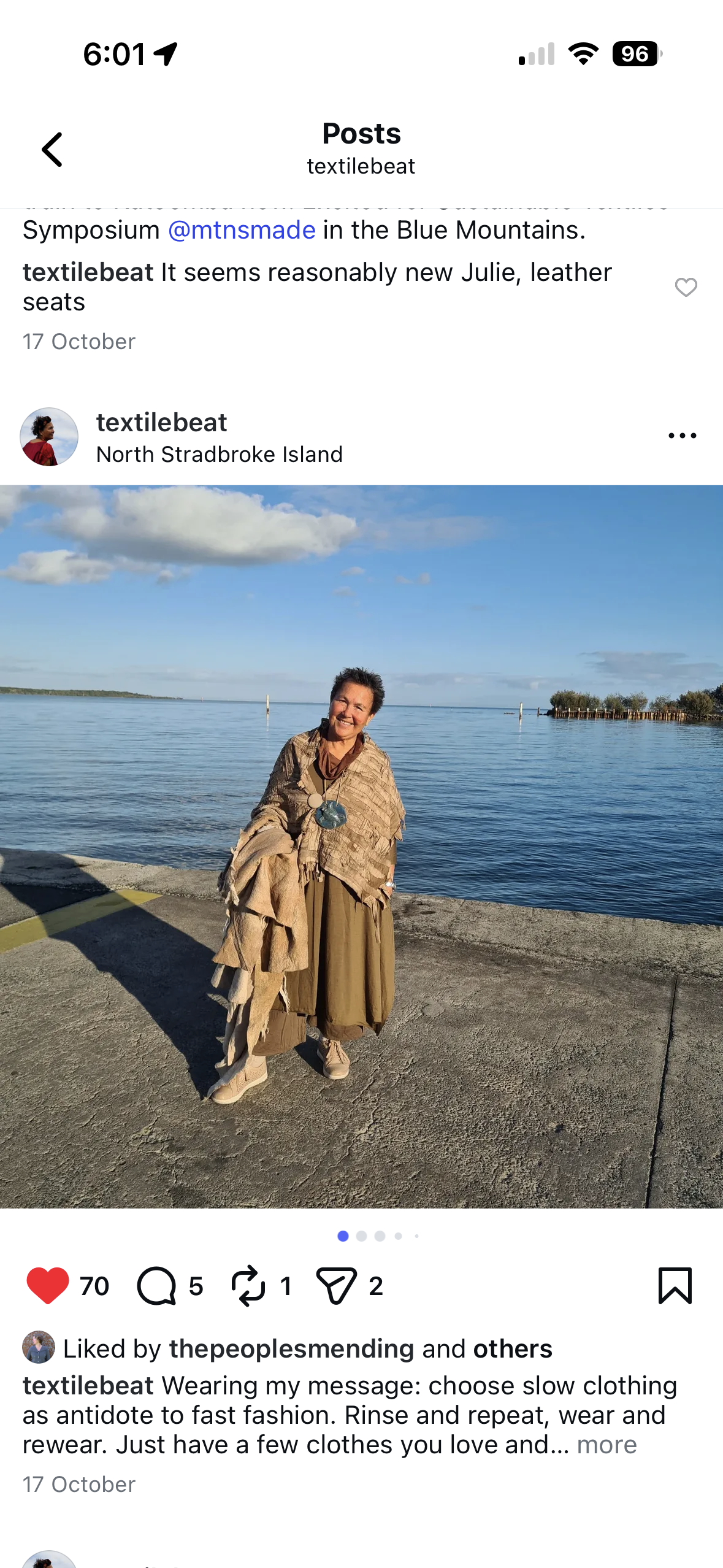
Jane discusses some of her findings when she was accepted as a Churchill Fellow. She has authored ‘Slow Clothing’ and ‘The Process of Mending – recipe book’.
Here’s where you’ll see the Sew It Again campaign in 2014, Jane initiated before embarking on her Churchill Fellowship work – campaigns and leadership | Sew it Again
Take a look at the Slow Clothing projects on Jane’s website Slow Clothing | Textile Beat
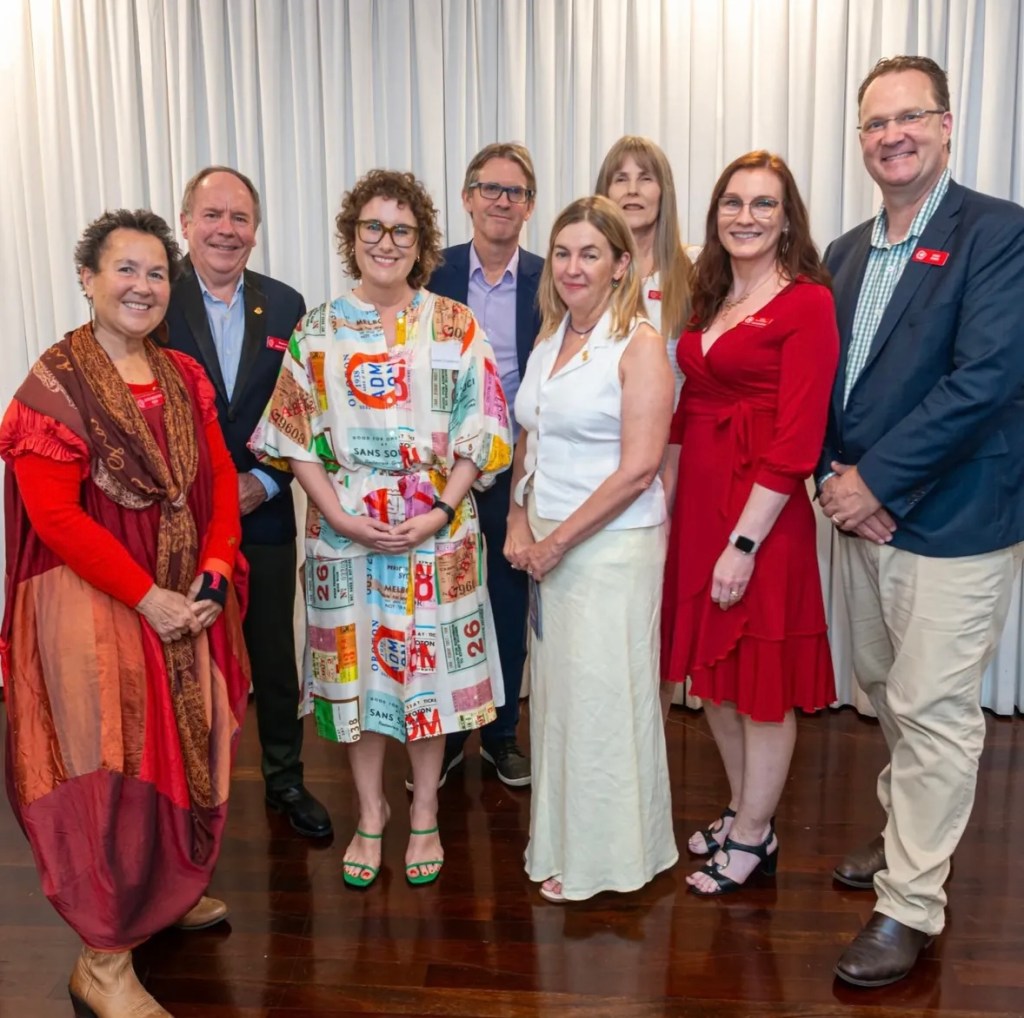
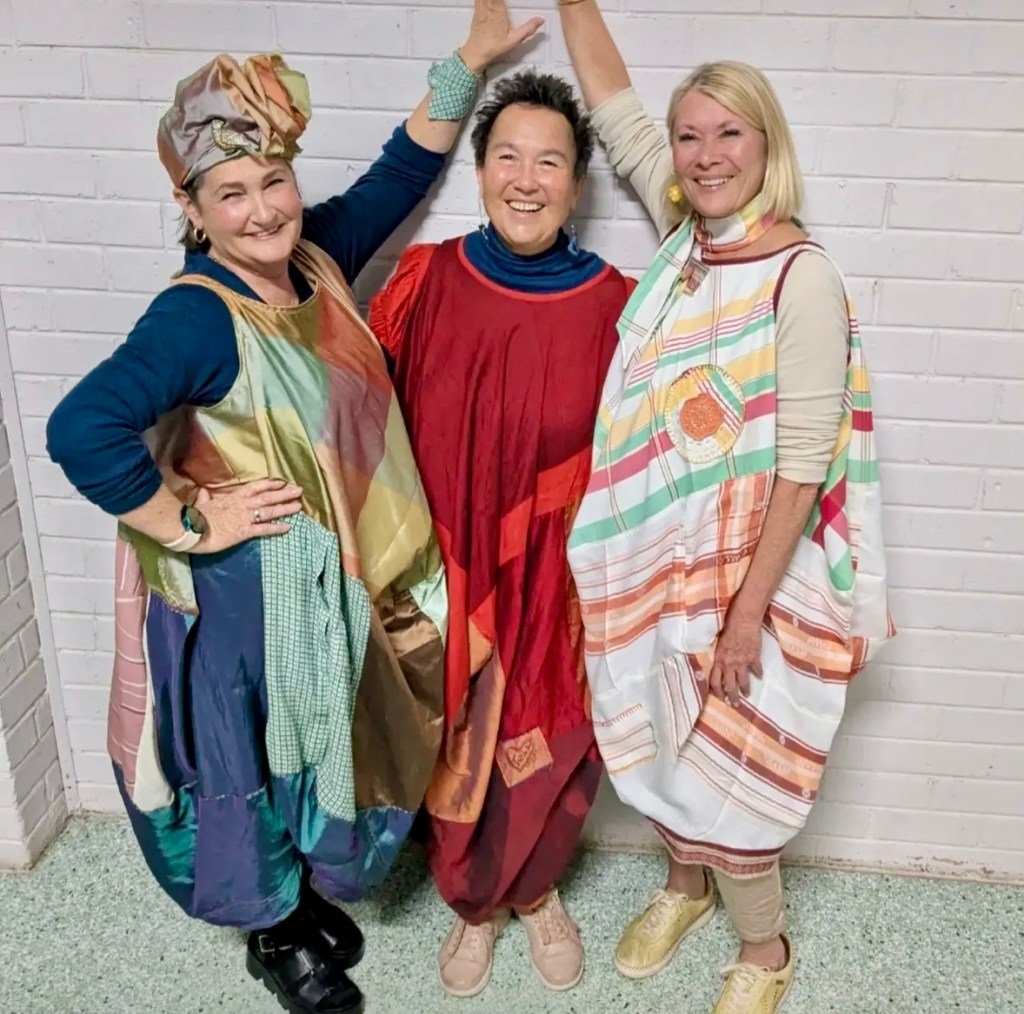
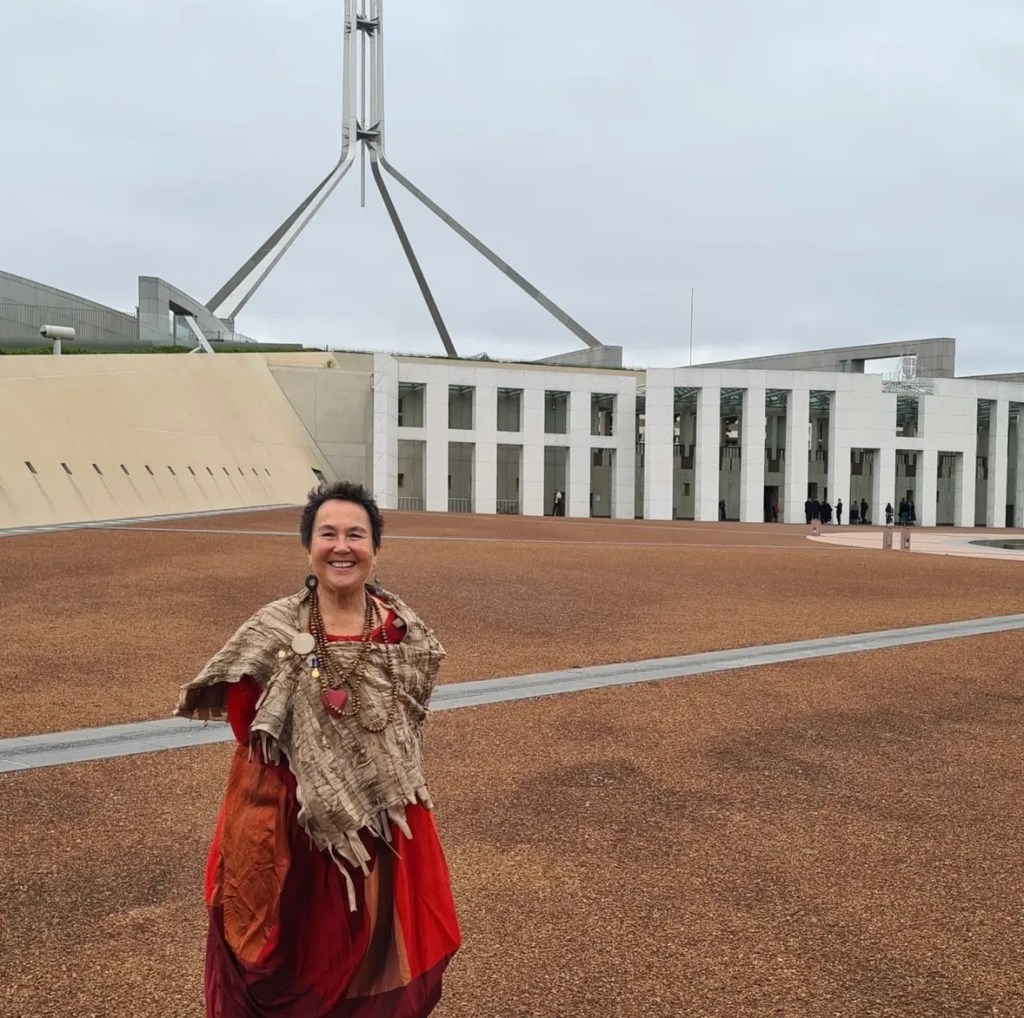
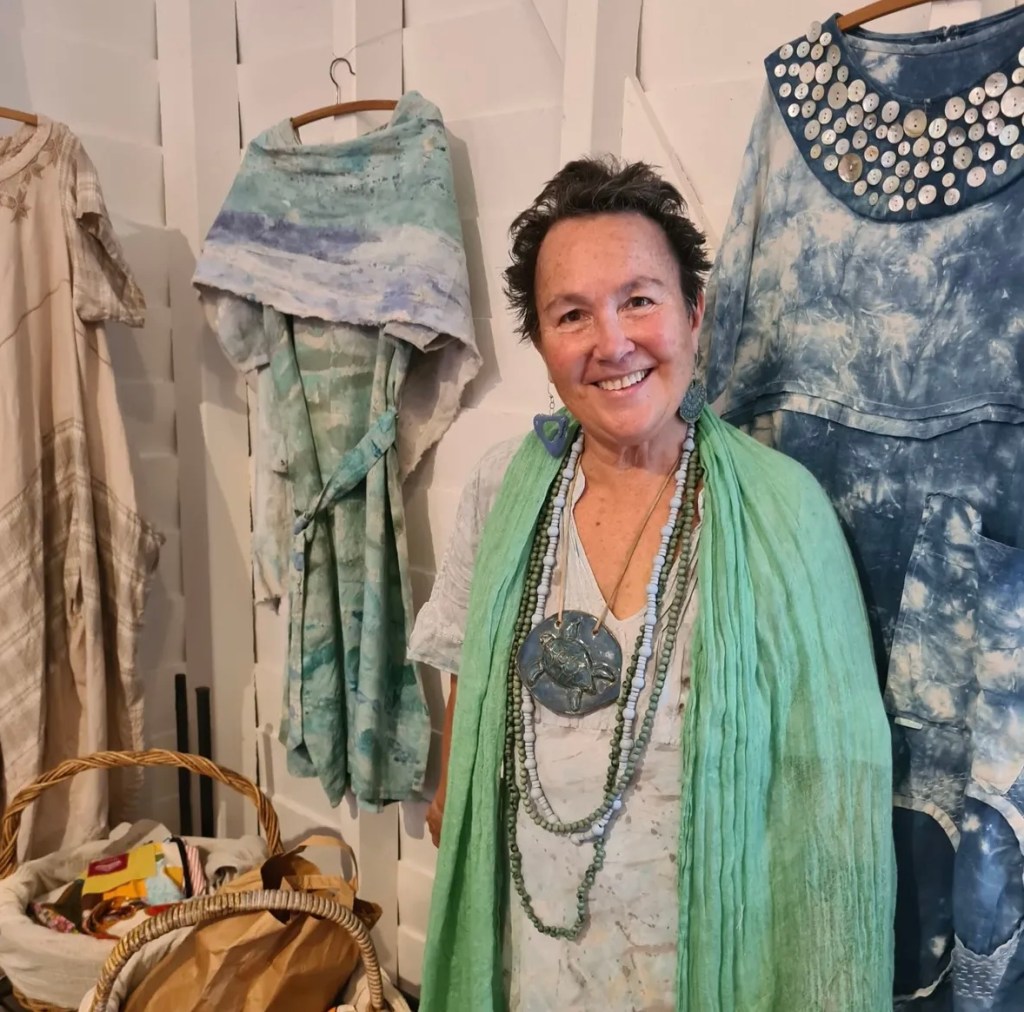
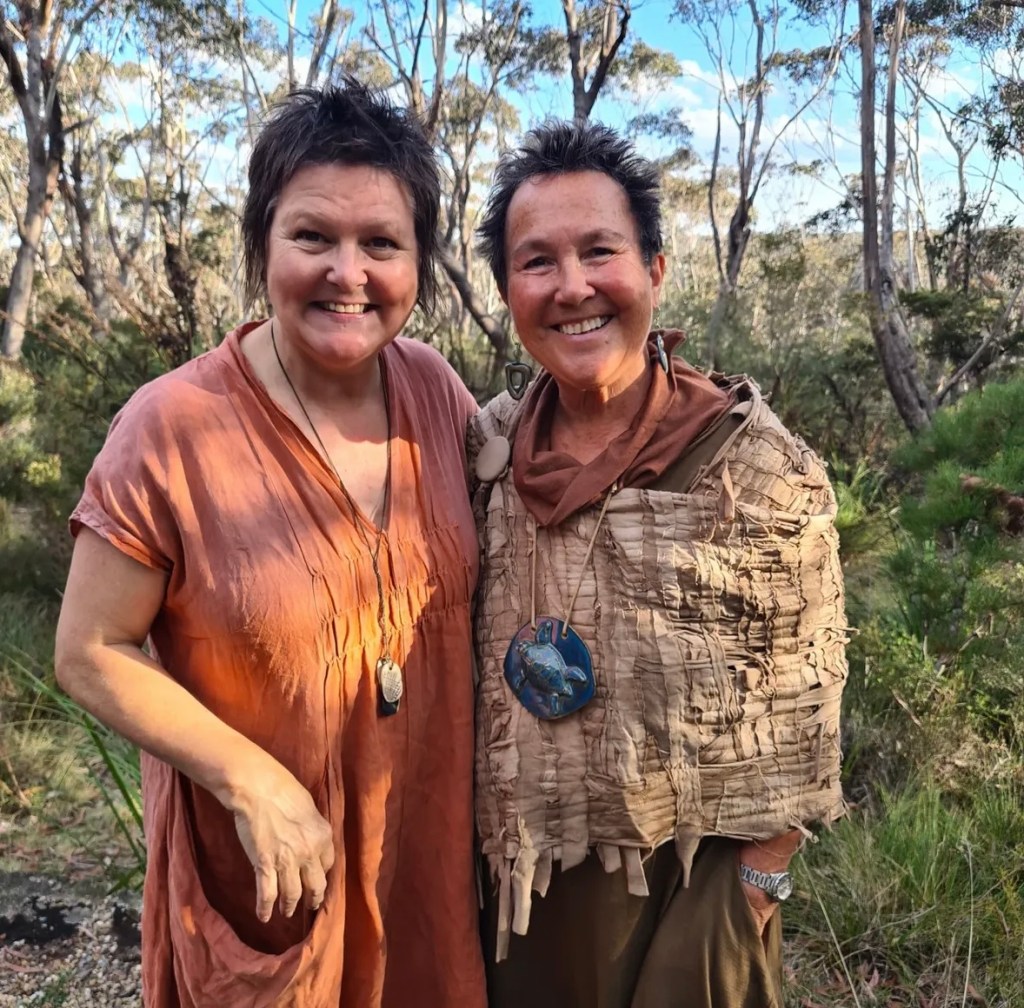
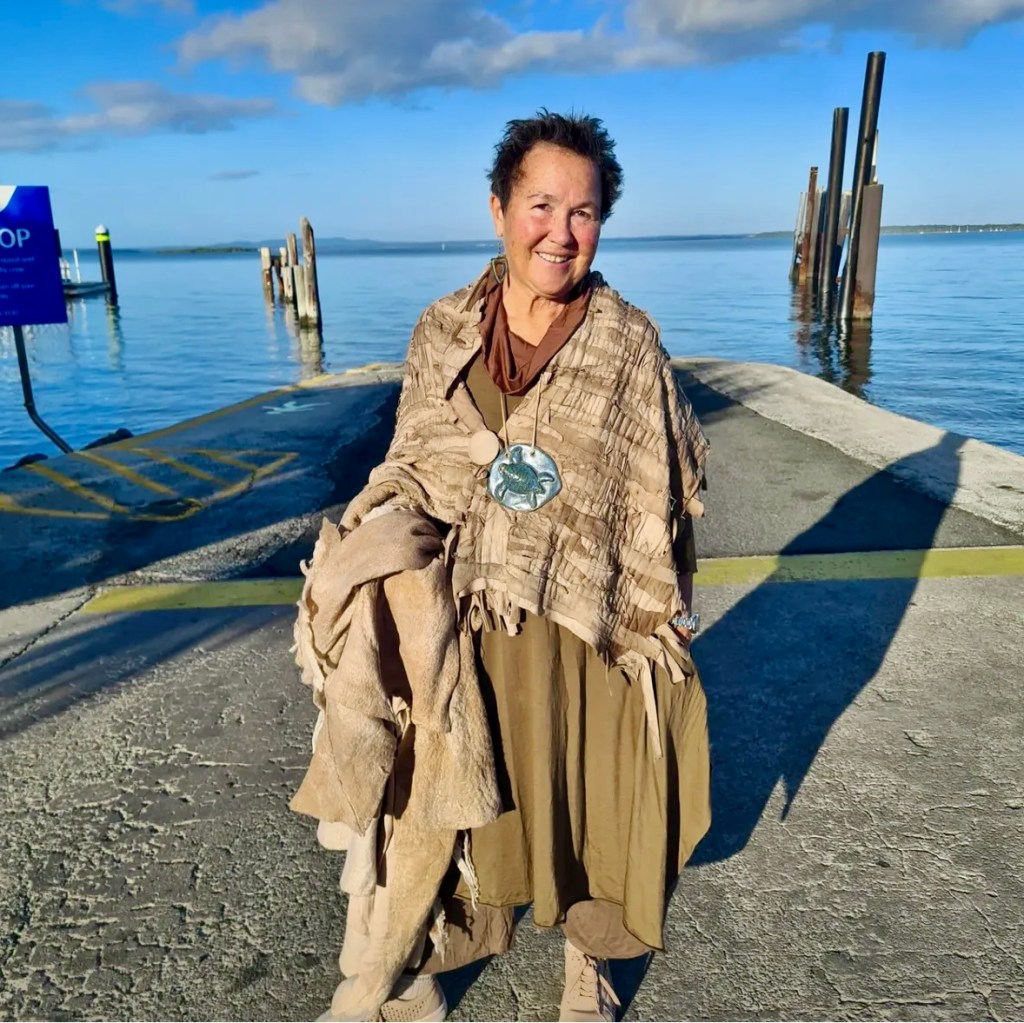
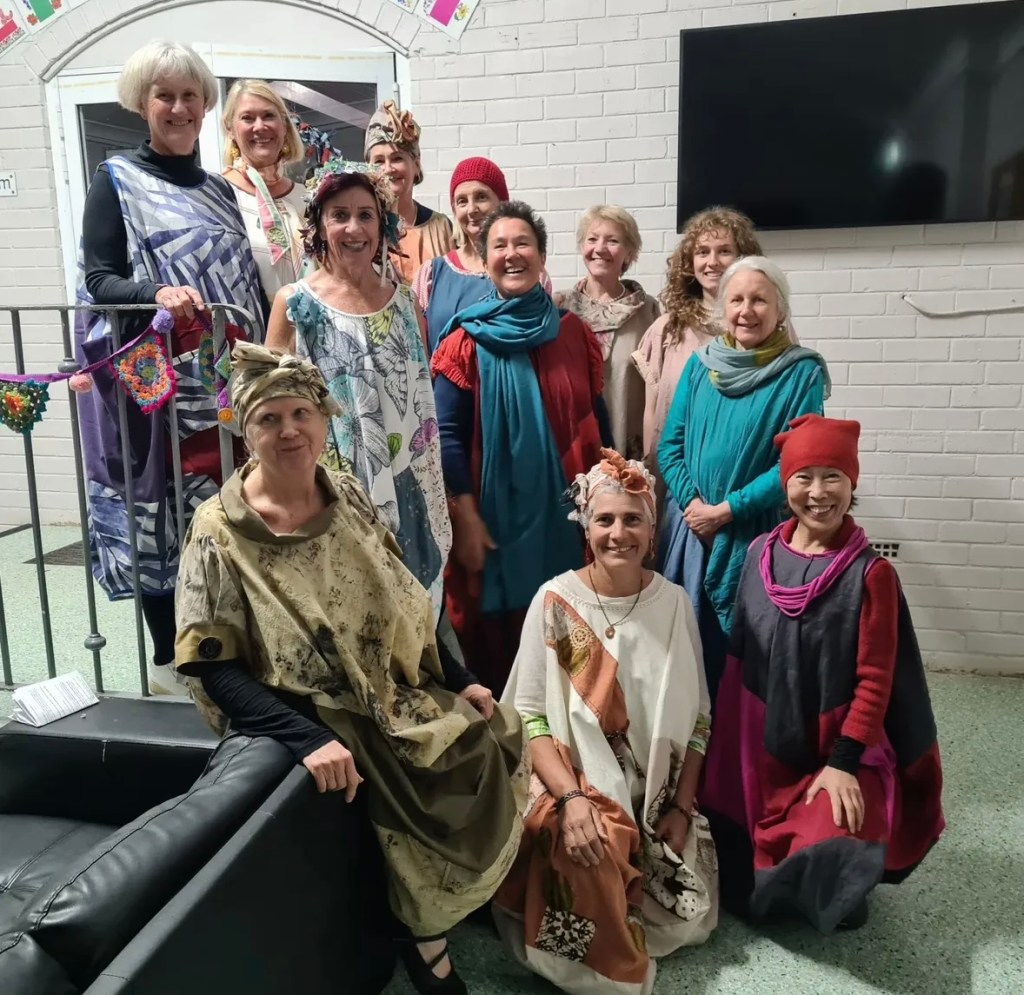
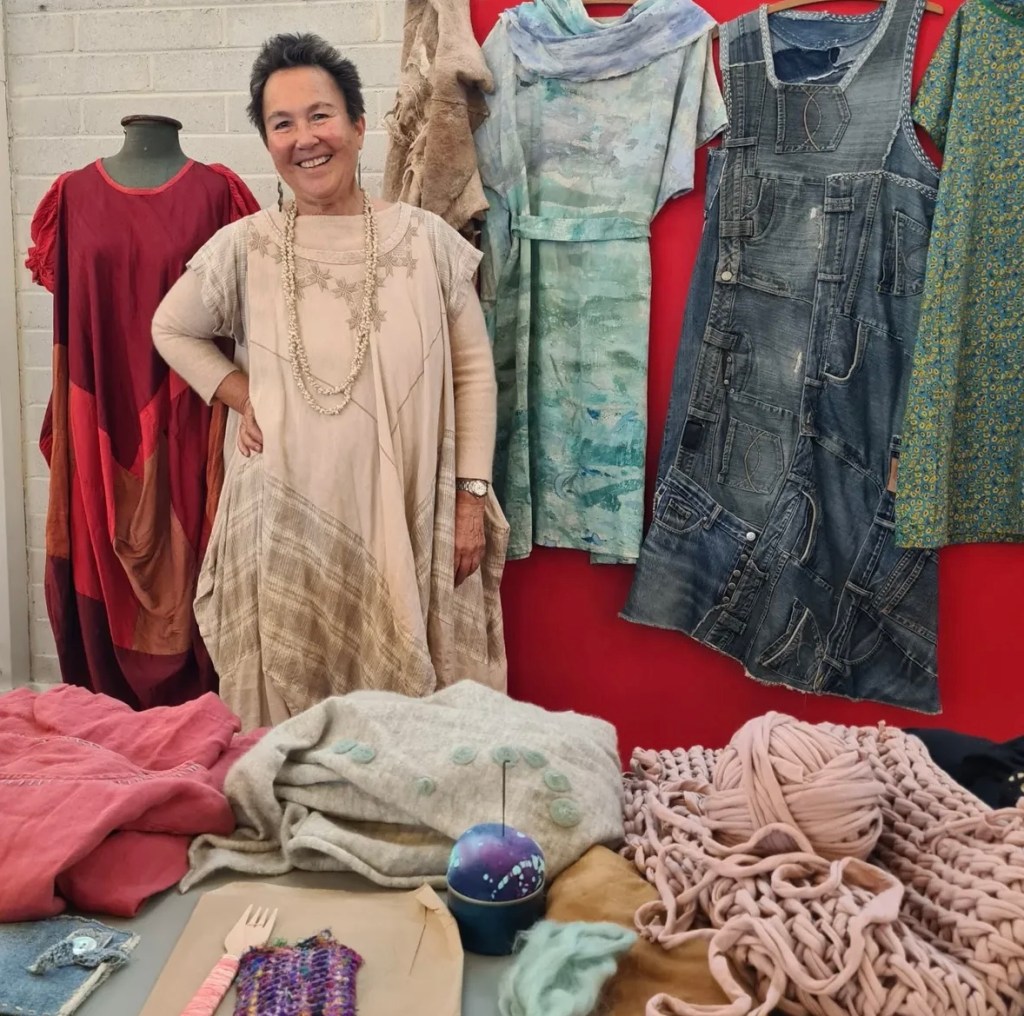
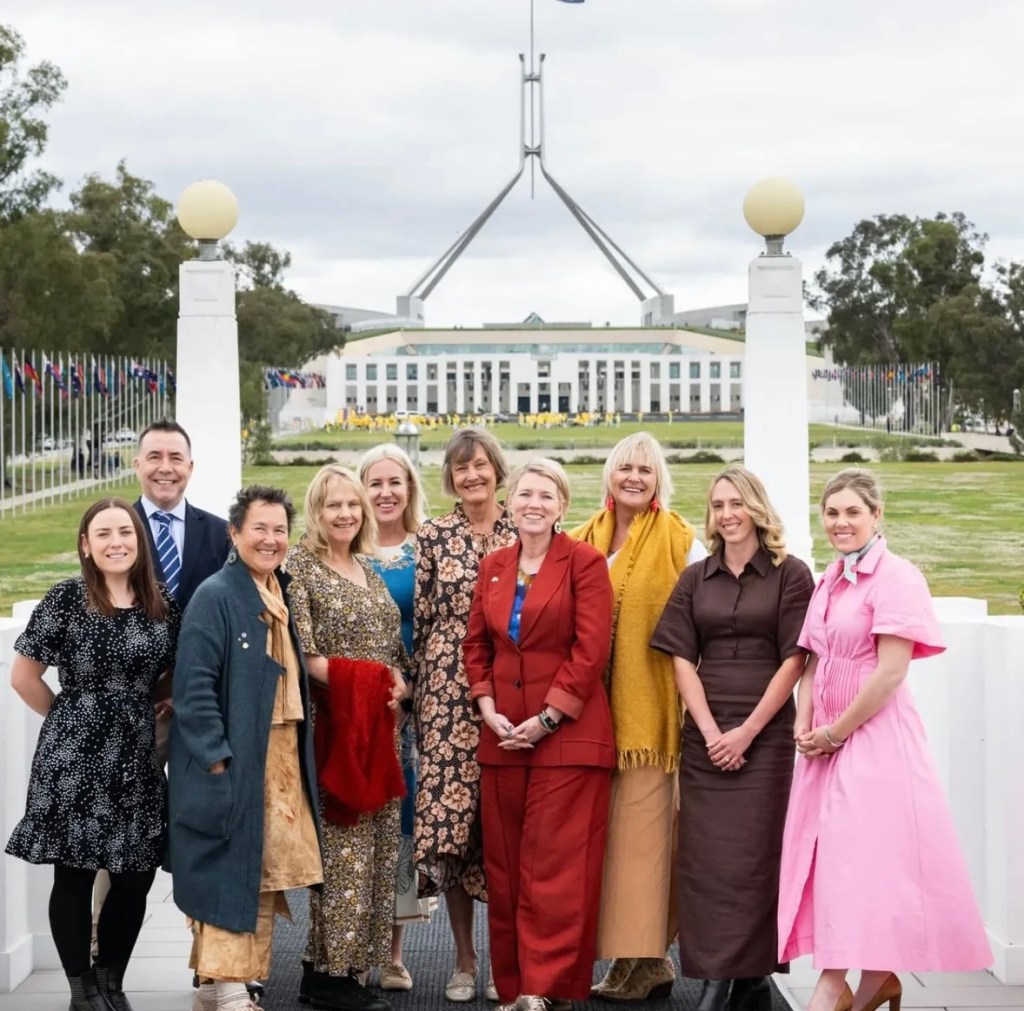
Jane Milburn OAM is many things: Sustainability consultant, Slow Clothing pioneer, TEDx speaker, Churchill Fellow, upcycler, and agricultural scientist.
At the heart of Jane’s work, she’s actively working to ensure we make the most of our resources. Clothing accounts for up to 10 percent of our environmental footprint and everyday practices that extend the lifespan of clothes – caring, repairing, rewearing, restyling, upcycling – can reduce its ecological impact and create independence from fast-fashion cycles.
Jane Milburn grew up surrounded by women who knew how to sew, stitch, and live simply on their sheep farm at Owaka in the South Island of New Zealand. With food predominantly home-grown and home-cooked on the farm, clothing was often similarly hand-created, modified or mended by generations of women including Jane’s mother Elizabeth, a university-educated home economics teacher, grandma Garth and great-grandma Mary, traditional homemakers.
In this environment, natural resources such as wool, linen, cotton, fur, wood and water were valued and used in accordance with the ‘waste not want not’ philosophy which was the norm for generations past.
In between being named as Little Miss Owaka, studying agricultural science at The University of Queensland, working as a rural reporter and being judged 2010 Queensland runner-up in the RIRDC Rural Women’s Award, Jane lost her mother and grandmother to cancer, and has herself overcome early-stage breast cancer.
These experiences led Jane to follow her heart on a creative journey, reconnecting to her past and building a future based on upcycling natural fibres in a way that provides purpose, relaxation, satisfaction and sharing.
Jane sees life through the prism of health and wellbeing. Health is nurtured by eating fresh home-cooked natural food and maintaining an active lifestyle. Wellbeing comes from creatively reusing precious natural fibres, empowering and inspiring others to do likewise in ways that are good for the soul and the planet.
A summary of ways this Churchill Fellowship found people are undertaking actions that help in reducing textile waste includes:
- restyling and wearing what is already in the wardrobe
- thrifting, mending and dyeing existing clothes
- redesigning, co-designing using existing clothing and materials
- making their own clothes, some hand-stitching to further slow the process
- liberating and sharing dormant and waste textile resources within local supply chains
- skill and knowledge sharing within communities
- supporting local, regenerative natural fibre and design systems
A summary of ways people are enhancing wellbeing from hands-on actions include:
- a sense of empowerment and agency over what they wear
- a sense of playfulness, joy and self-expression in having interesting clothes
- feelings of calm, relaxation, self-soothing, distraction, resilience and meditation
- comfort from slowing down, thinking through making, and being resourceful
- a felt sense of meaning and mindful connection to self, clothes and community
- a sense of contributing to broader solutions for fashion waste
- feelings of interconnection to nature and the natural world
Slow Clothing presents a compelling case for why we need to change the way we dress, to live lightly on Earth through the everyday practice of how we wear and care for our clothes.
In an era dominated by passive consumption of cheap and synthetic fashion, Jane Milburn arrived at the Slow Clothing philosophy by refashioning garments in her wardrobe to provide meaning and story. Jane tells her journey to Slow Clothing and provides ideas for you to easily implement.
Slow Clothing reflects our own style and spirit, independent of fashion cycles. We buy thoughtfully, gain skills, and care for what we wear as an embodiment of ourselves. We – the wearers – become original, authentic and resourceful. We believe secondhand is the new organic and mending is good for the soul. In return, we are liberated and satisfied.
Slow Clothing brings wholeness through living simply, creatively and fairly.
This mending recipe book shows you how to use needle and thread to rejuvenate your clothes and become more independent in the process. Mending clothes is the simplest way to minimise our material footprint. At no time in history have there been so many clothes in the world. In earlier days mending was a sign of scarcity and thrift, now it is a statement of care. Caring for clothes is integral to the Slow Clothing philosophy through which we choose to dress for health and wellbeing rather than status and looks. Slow Clothing is an antidote to fast fashion.
 Sew organised style podcast